
understanding people – what shapes us? – psychology in practice – seeing the world with new eyes –
understanding people – what shapes us? – psychology in practice – seeing the world with new eyes –
PSYCHOLOGY – WITH STUDY TRIP TO JAPAN and SOUTH KOREA
Why do we become the way we are? What influences our choices, our relationships, and the way we see the world?
In the psychology program, you explore thoughts, emotions, mental health, and culture. On the study trip to Japan and South Korea, you encounter new perspectives and use what you have learned to understand what you are experiencing.
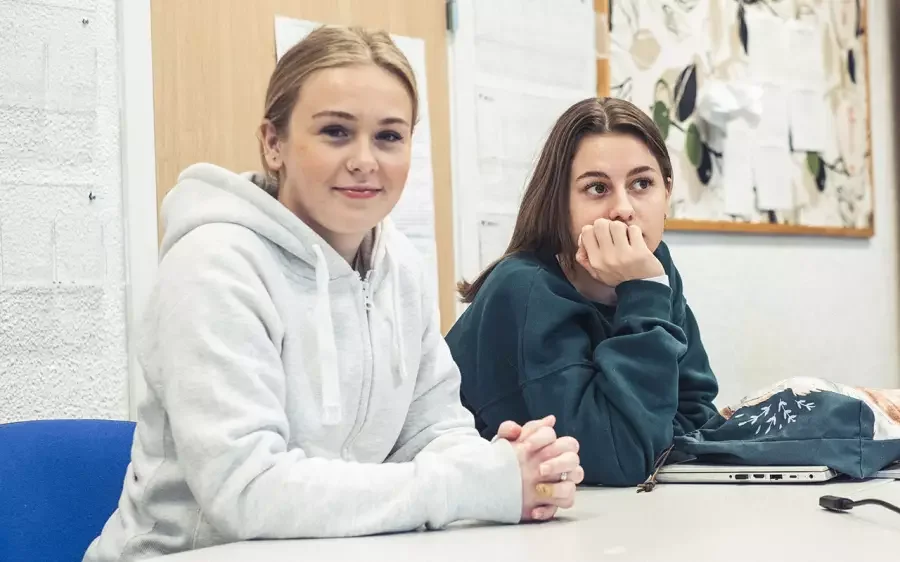
Learn psychology with others
Through conversations, theory, practical tasks and projects, we investigate why people think, feel and act the way they do. We use the professional environments in Bergen and collaborates with other school programs Here you can explore and learn – without grades and exams.
Explore the human mind,
This is your year,
Explore the human mind, This is your year,
You help shape the year
At the start of school we talk about what you want to learn and how you like to work. The class also helps choose several of the topics we delve into.
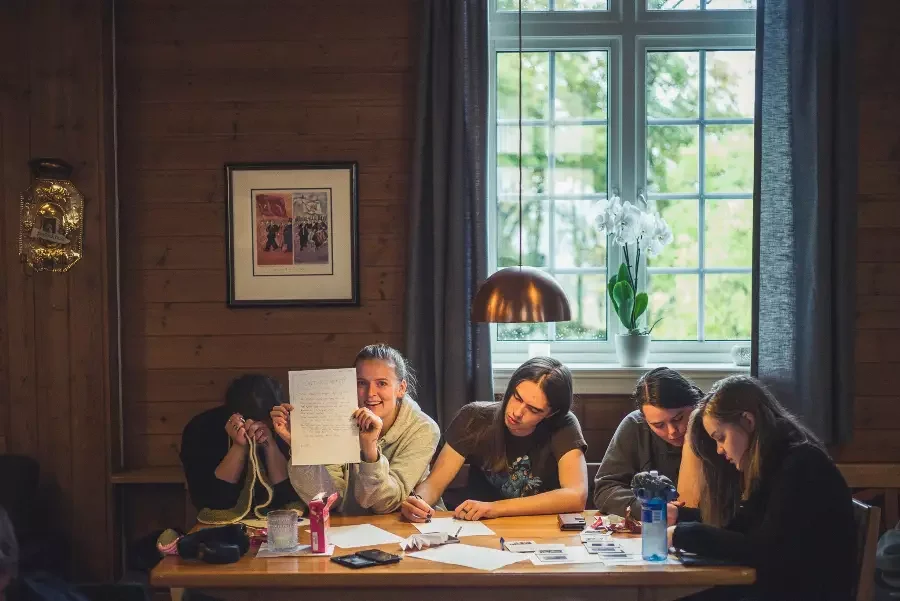
Two students talk about life in the psychology department at Fana folkehøgskule .
We explore this
on the line
Through cognitive psychology, we look at how we perceive the world, think, and make choices. We also examine how situations and social influences can contribute to ordinary people committing cruel acts – a question in the psychology of evil.
Thoughts, feelings and actions
Everyone has mental health. We look at what can contribute to well-being and coping, and how the understanding of mental illness has changed. You will also gain insight into common disorders, treatments and attitudes towards mental health today.
Mental health
How are we influenced by relationships, groups, media, and the society around us? Through social psychology, we examine questions that concern both your everyday life and the society you live in.
People, groups and societies
Culture and new perspectives
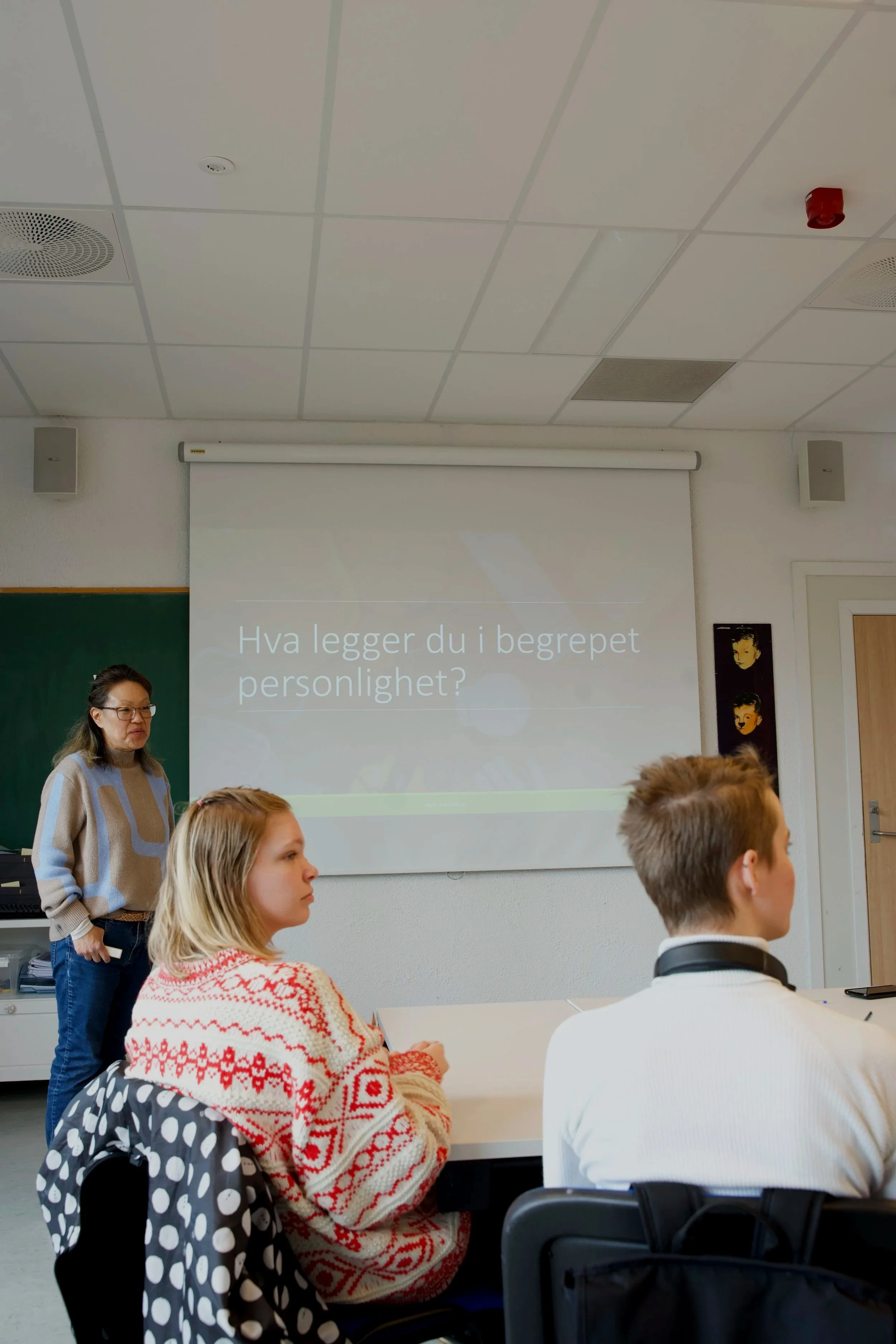
We explore how culture can shape the way we think, communicate and live together. Before the study trip to Japan and South Korea, we work with cultural psychology. On the trip, we use our knowledge to ask questions and reflect on what we encounter.
You help choose the themes
Do you want to learn more about heredity and environment, coping and resilience, biological psychology or environmental and political psychology? Or do you have other wishes? The class helps choose several of them.
A professional and safe community
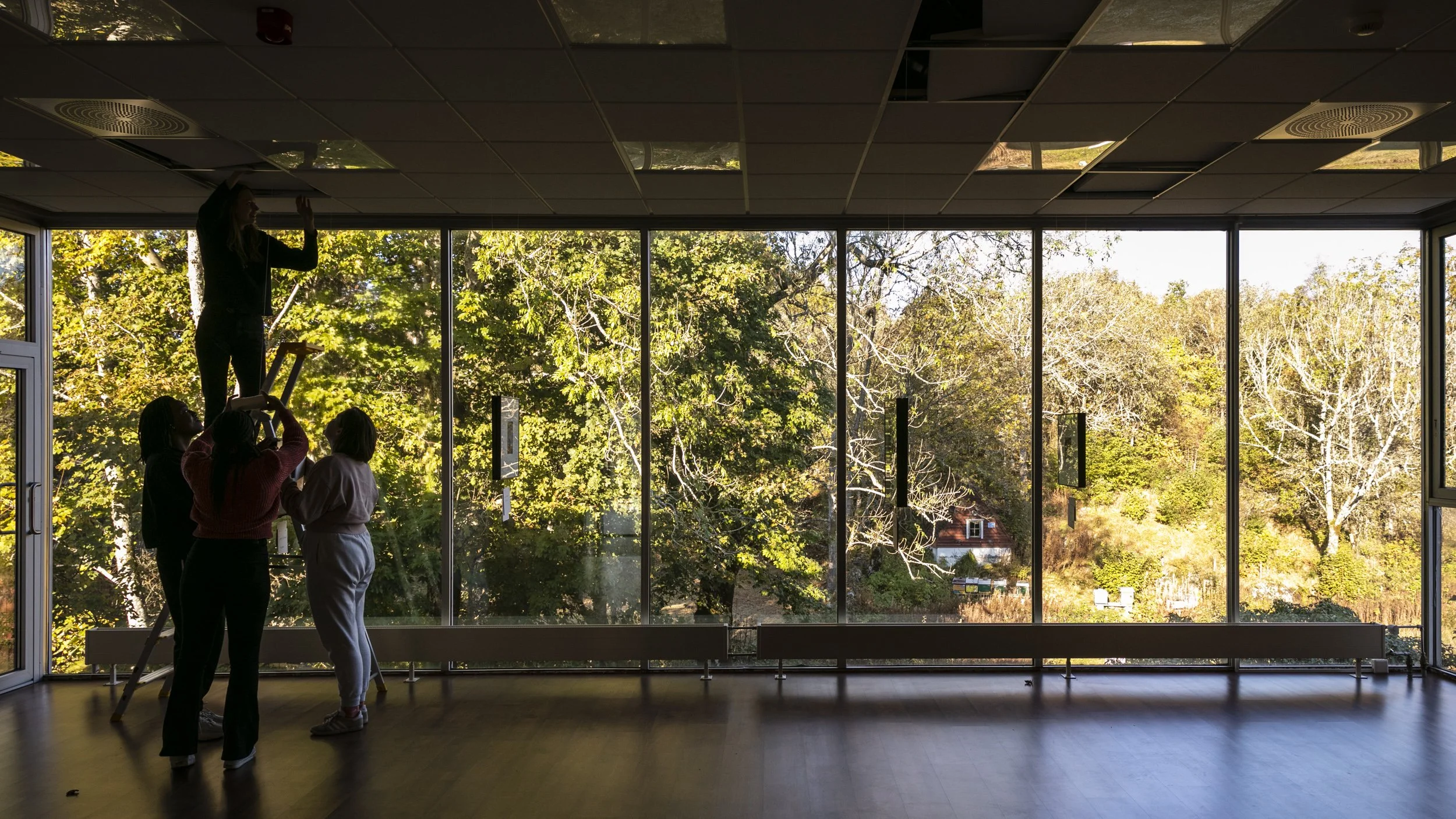
The psychology department is not treatment or therapy, but a place for learning, reflection and conversations. Here there is room to try, fail and find out what is important to you. During the autumn we go on a cabin trip to get to know each other and build a class environment.
If you are considering psychology or related subjects after folk high school, you will receive guidance on study options, applications and preparations. We visit the University of Bergen , participates in the Education Fair, and you can meet former students from the program. You can also get help with taking up subjects from upper secondary school.
Who is the line suitable for?
Psychology is suitable for those who are curious about people and want to explore psychology through theory and practice. Both those with psychology from high school and those without will benefit greatly from the year - no prior knowledge is required.
We hope you:
shows up with curiosity and a desire to participate
asks questions and listens to the perspectives of others
contributes to a good classroom environment
Be yourself and give others room to be themselves.
Knowledge City
Bergen
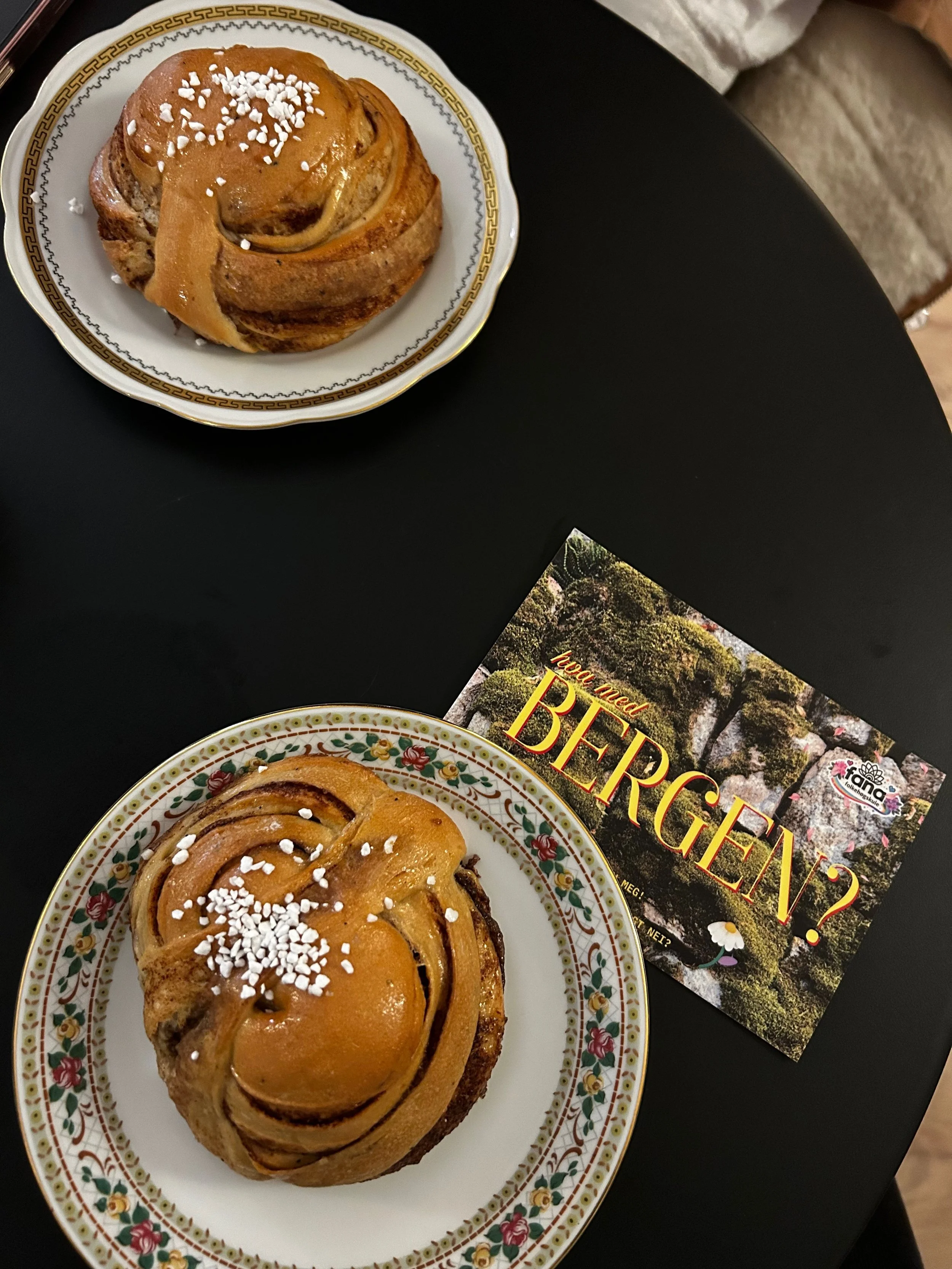
We use Bergen , nature and the nearby sea as learning arenas. When it suits the themes, we meet professionals and visit institutions, such as the Rafto Foundation, the Gestapo Museum, Haukeland University Hospital, psychologists in Bergen and the University of Bergen .
Bergen as a learning arena
Frequently asked questions about the psychology major
〰️
Frequently asked questions about the psychology major 〰️
-
You will learn about key psychological theories and themes, and how social and cultural conditions affect us. You will gain insight into the scientific method through action research, and you will practice reading, interpreting and discussing professional literature. In the fall, we will cover topics such as the psychology of evil and social and cognitive processes. In the spring, we will cover cultural psychology, the history of psychiatry, and psychology and mental health. You can also choose your own topics, such as criminology, biological psychology, cognitive psychology, personality psychology or climate psychology. What we explore most in depth varies from year to year.
-
There is theory, but you won't just sit in the classroom and read. We vary between teaching, discussions, group work, practical assignments, projects, films and visits outside the school.
-
Yes. The proximity to Bergen gives us the opportunity to visit professional environments, institutions and organizations. We can also attend lectures and other relevant events when something exciting comes up in the city.
-
Yes. The year gives you the opportunity to become familiar with psychology as a subject and to determine whether you want to study it further. You will gain experience with professional specialization, discussion, independent work and different areas within psychology.
We provide guidance on study options, applications and preparations, and you can meet former students who are now studying psychology or social sciences. -
No, no. Psychology is relevant far beyond the psychology degree itself. Knowledge of people, communication, groups and behaviour can be useful if you later want to study, for example, health and social sciences, pedagogy, criminology, organisation and management – or something completely different.
-
Before departure, we work with cultural psychology. We look at how culture can influence how we think and communicate, our view of the individual and the community, and how we express emotions and handle conflicts. On the trip, we use what we have learned to ask new questions and reflect on what we encounter.
-
Yes. Time is set aside for your own research, and you can use the class library and other academic resources to explore a topic you want to learn more about.
-
No. Here, it is curiosity and the desire to learn that drives us. We learn more simply because we want to! A completely new experience for many.
-
No. The line is not treatment or therapy, but a professional and safe place for learning, reflection and conversation. And you can hardly avoid learning more about yourself along the way.
-
You bring stationery, a PC or tablet, passport and European Health Insurance Card. You may want to bring a sleeping bag. An introductory psychology book is included in the tuition, and you choose between a higher education textbook and one for upper secondary education.
-
You must normally be 18 years old when the school year starts. If you are younger, you can request an individual assessment. You must be able to understand and make yourself understood in Norwegian, another Nordic language or English, and be willing to participate actively. You do not need any prior knowledge of psychology.
-
Yes. If you need time to take up subjects from high school, you can get help with that.
Price
Psychology Course Teacher

Are you wondering about something?
I'd love to chat!
Study trip to South Korea and Japan
In the spring, the psychology department travels to South Korea and Japan.
We take a train from Seoul to the port city of Busan and a boat across to Japan, and we create the itinerary together with you.
Here you will experience two cultures that are in many ways different from our own, and take a closer look at how culture, norms and society influence the way we think and live.
The trip will be a practical introduction to cultural psychology - while you get to experience South Korea and Japan together with the class.


This is what the students say


