Nature joy - Take care of nature - Species knowledge -
Nature joy - Take care of nature - Species knowledge -
Ecology and outdoor life
Understand how nature is interconnected and learn to take care of the resources it gives us. We learn in the Arboretum and Botanical Garden, grow with permaculture, harvest from the sea and travel by train in Europe.
The fjord, the forest, the mountains and the coast are the classroom
At Ecology and Outdoor Life, we explore ecosystems on land and in water.
You will learn how plants, animals, people and nature are interconnected, and how we can use nature's resources with respect for the life around us. We learn through experiences, conversations and practical work, and much of it is done outdoors.
This is what you can do
You learn about plants, species diversity and the interaction in nature. The Arboretum and Botanical Garden with their strong academic environment are located right next to the school, and the fjord and coast are also part of the classroom.
Ecosystems on land and in water
Grow and sink
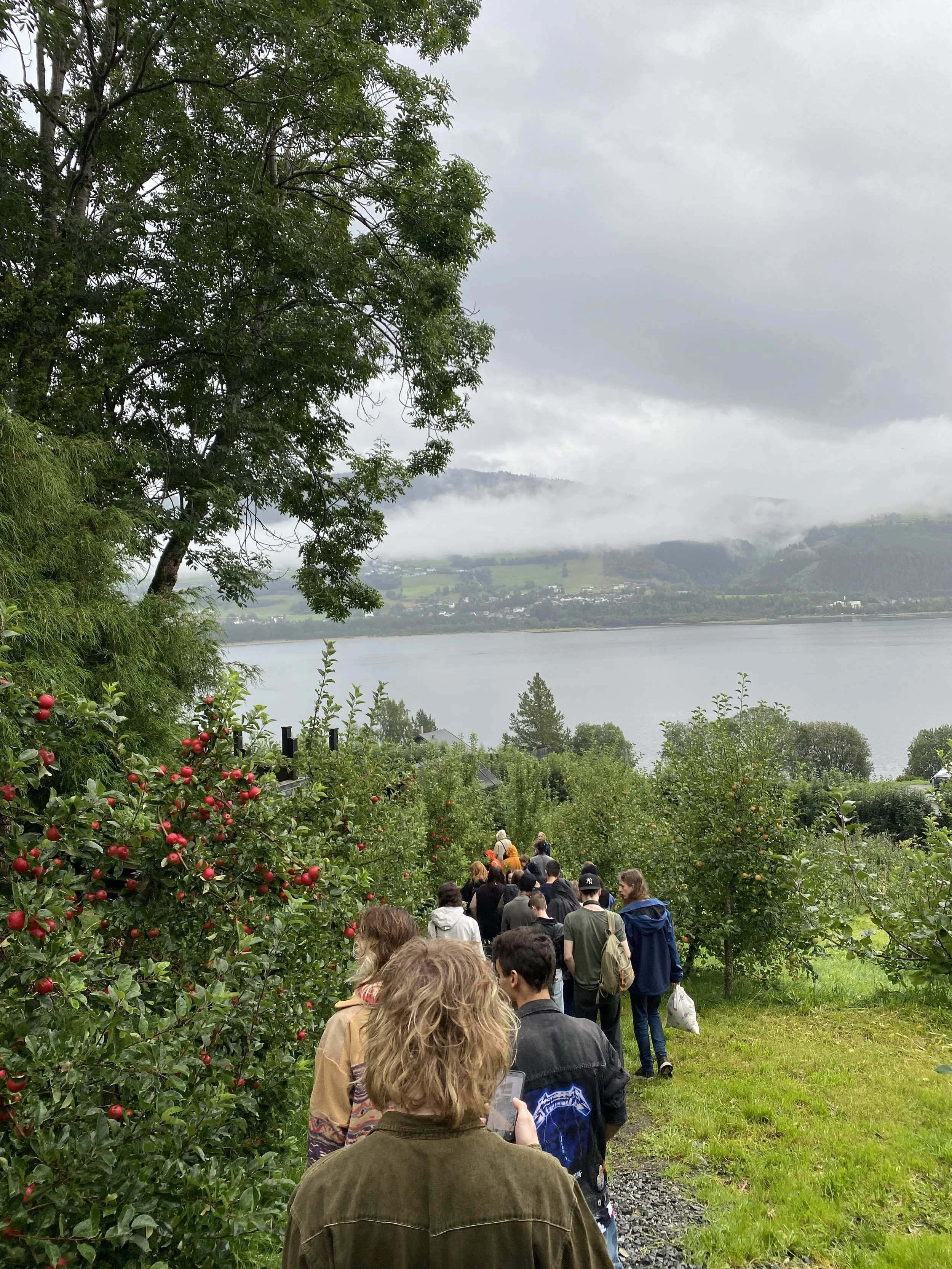
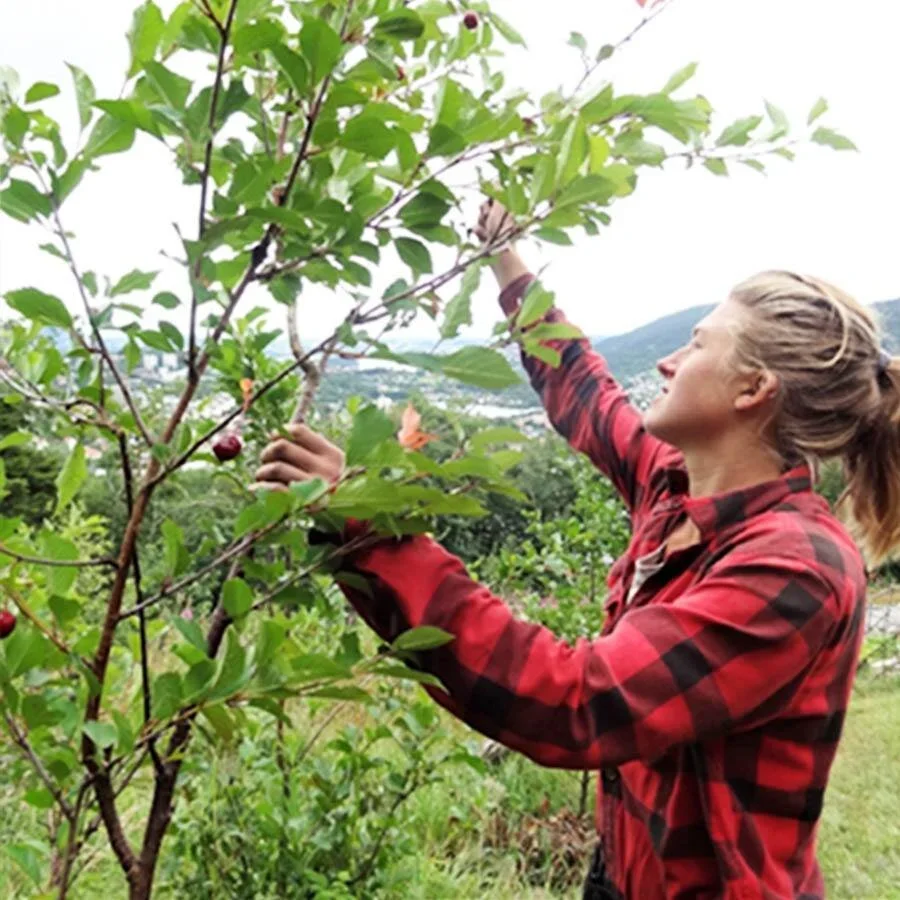
At Matskogen in Landås you will gain experience with permaculture and cultivation, and you will learn what grows wild in Norwegian nature. We collect edible plants from forests, shores and open fields and prepare food from the ingredients.
Autumn from the sea
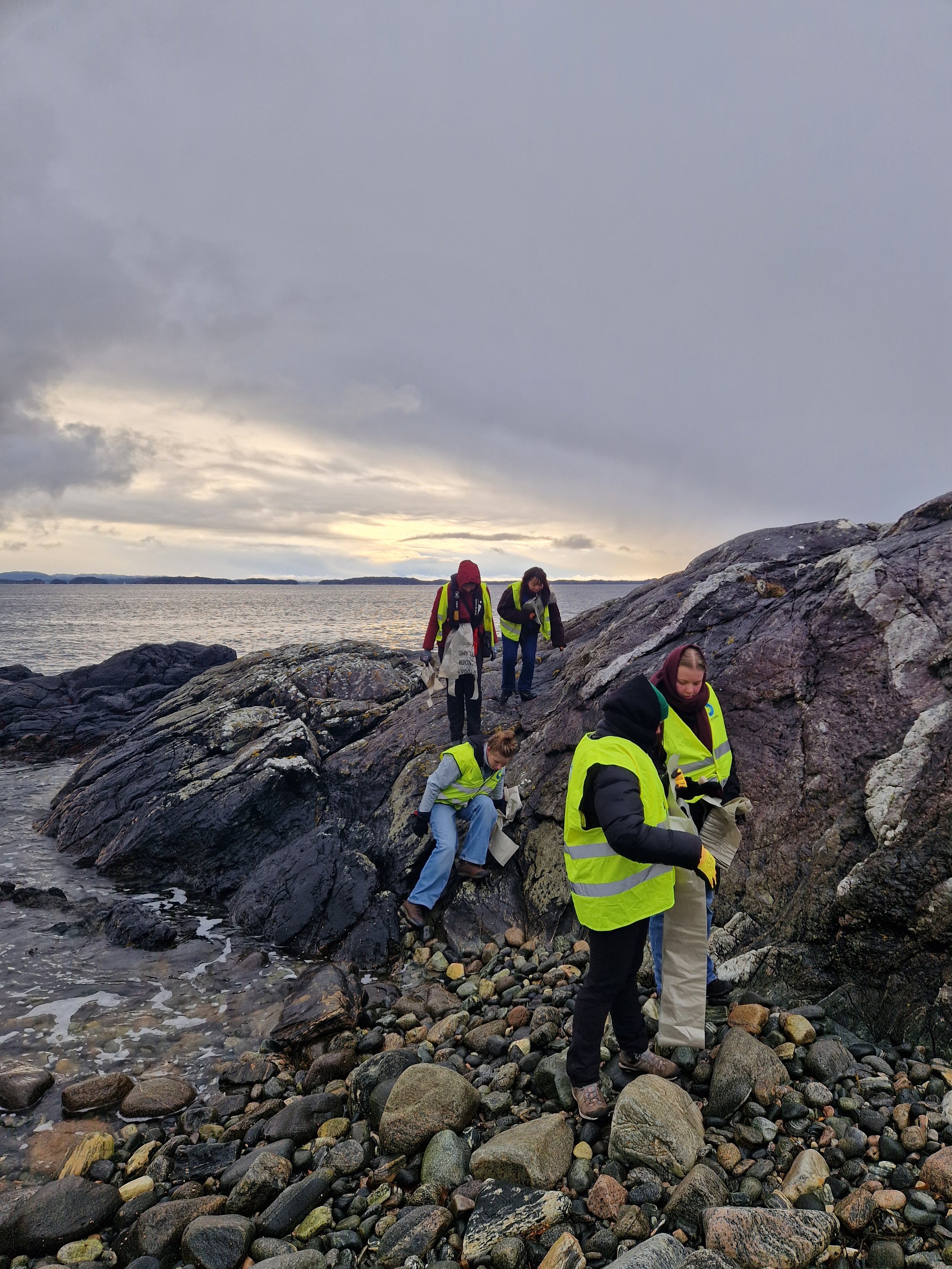
We take day trips to fish, catch crabs and gather seaweed and other resources. You will gain experience with saithe, cod, herring and crab, and we will cook with some of what we harvest.
Outdoor activities
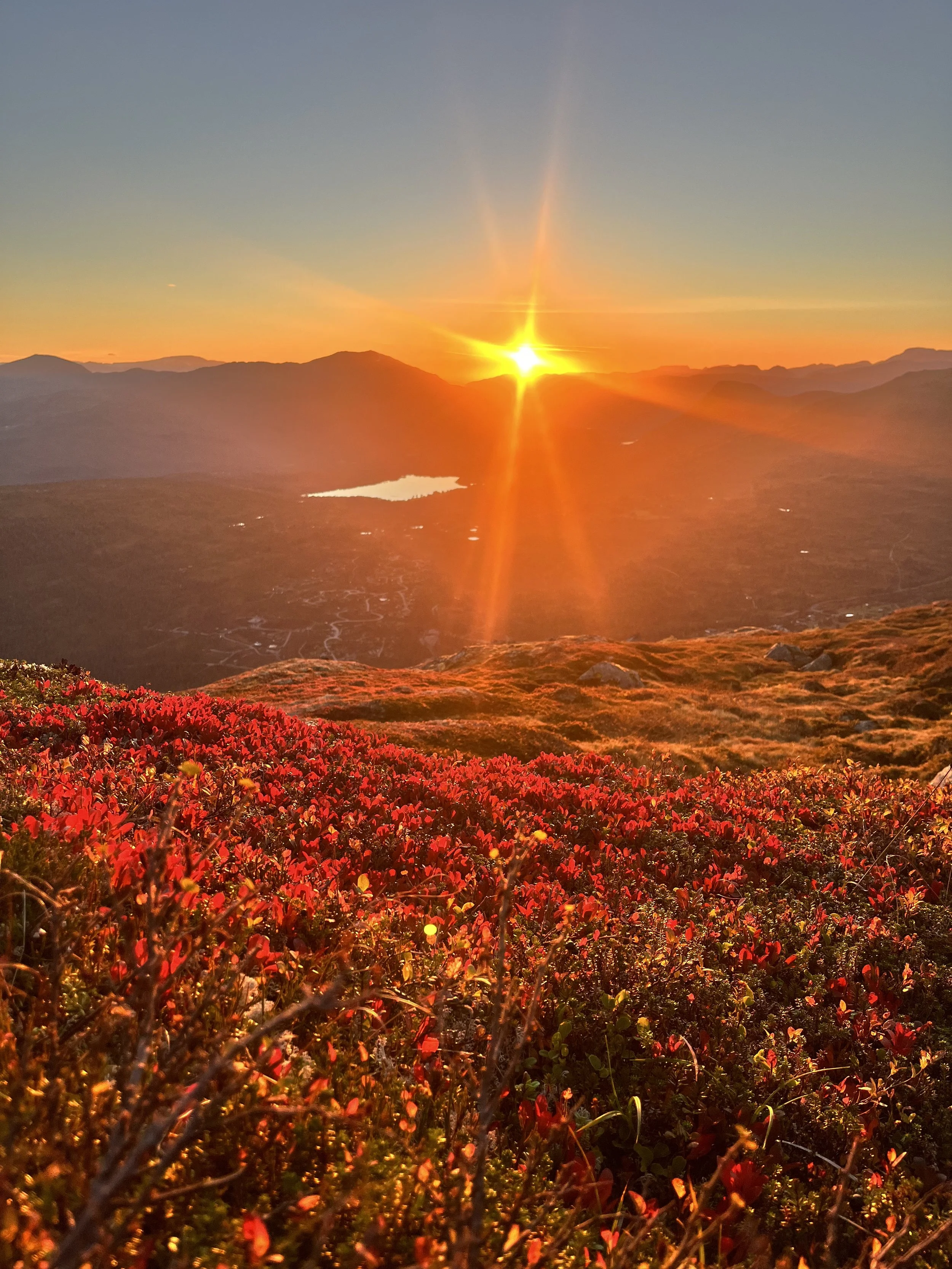
You will learn safe and gentle travel in the mountains, forests and along the coast, first aid, and canoe and kayak techniques from the school's boathouse by the fjord. We will stay overnight in DNT cabins.
A year out
We join expeditions along the coast, stay overnight in DNT cabins, paddle and go hiking. We meet researchers, farmers, gatherers and cultivators, and people who have chosen other ways of living. Throughout the year we go on several short trips and experience nature through different seasons. The trips are not particularly demanding, but you must enjoy being outdoors.
Current destinations include Havråtunet, Rongevær coastal hut (DNT) and Bjørnstølen (DNT). We also go on local trips to fish, catch crabs and harvest other resources from the sea.
In water and on land
Building blocks of the year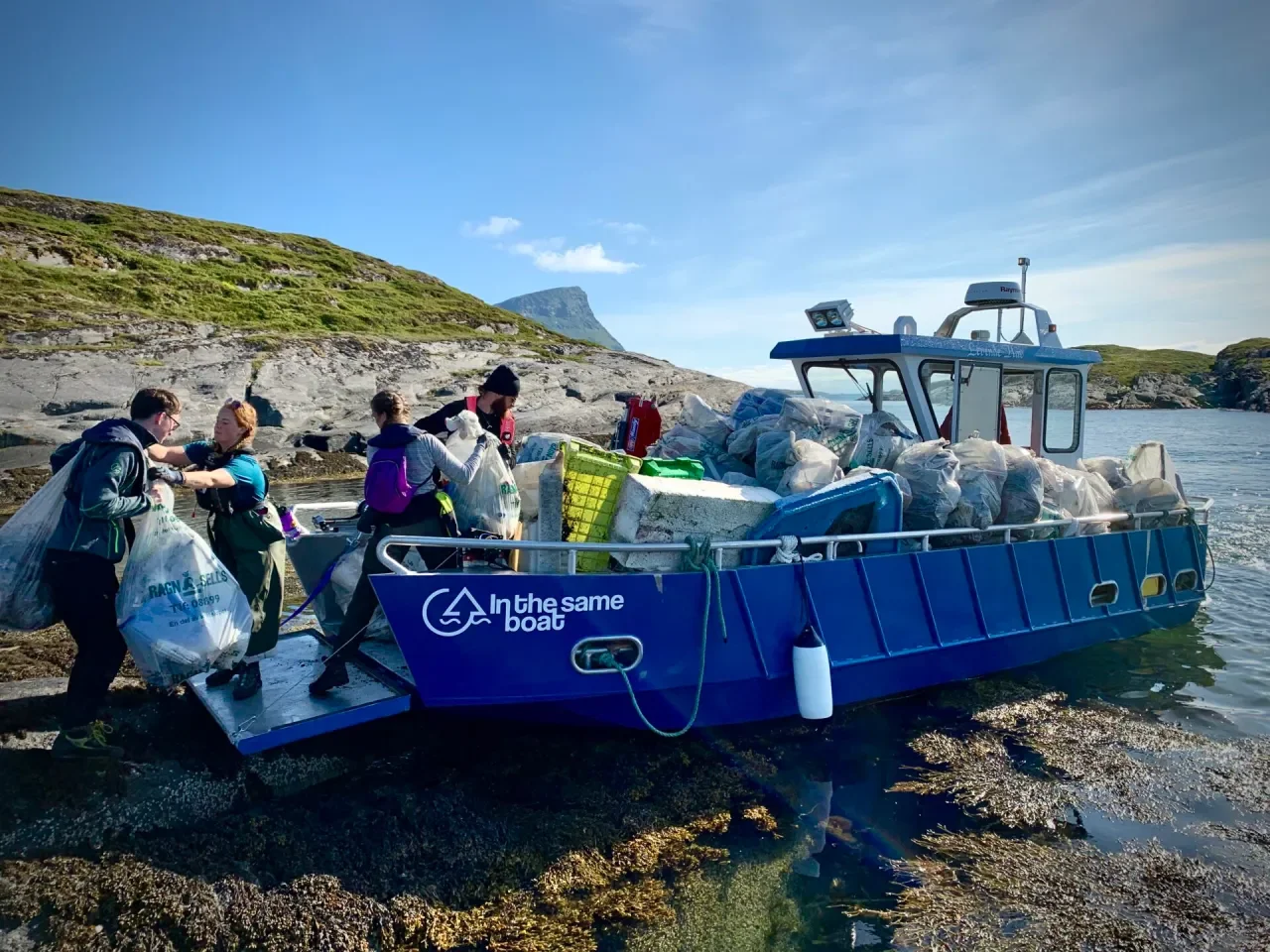
Dorothy Dankel from SINTEF Ocean gives a lecture about the ocean, fisheries management and sustainable use of marine resources. A local expert who has harvested from the ocean for many years and worked against marine litter, teaches us how to harvest from the ocean. We learn more about permaculture in Matskogen, organic farming in Aurland and small-scale food production by the producers themselves. Bergen is an excellent starting point for both blue and green entrepreneurs and enthusiasts!
In the Same Boat
As a student in this line, you will join a trip with In the Same Boat , an organization that works against marine litter. You will travel with fellow students and work along the coast.
Small-scale change agents
We meet producers, organizations and people who live close to nature. You will gain insight into how everyday choices can help preserve nature and resources, whether you live in the city or in the countryside.
You are involved and decide.
You help plan trips, activities and immersions. Together we create a safe and inclusive community where everyone contributes.
Who is the line suitable for?
The line is suitable for those who want to be more outdoors, understand nature better and explore how people can live on nature's terms. You do not need any prior knowledge. The most important thing is that you are curious, open to new experiences and willing to participate actively.
Our expectations of you
That you are curious and eager to learn
That you enjoy being outside in different weather conditions
That you participate actively in teaching and trips
That you cooperate, take responsibility and meet people and nature with respect
The line is open to English-speaking students, and teaching will be in both English and Norwegian.
This is what you will learn
Ecology and ecosystems on land and in water
About plants, cultivation and permaculture in the University Gardens and Food Forest
Harvesting from the sea and cooking from what you gather
Working against marine litter together with In the Same Boat
Safe travel, first aid, DNT cabins, canoes and kayaks
To cooperate and take responsibility on trips and travels
Reflection on nature, food and ways of life
Inspiration from people who have chosen other paths
Safety in nature
Practical info
-
No. You don't need any prior knowledge. The tours are not particularly demanding, but you must enjoy being outside in different weather conditions.
Everything we learn starts at the level the group is at. Some have a lot of experience and knowledge, others are just starting out. -
You must normally be 18 years old when the school year starts. If you are younger, you can request an individual assessment. You must be able to understand and make yourself understood in Norwegian, another Nordic language or English, and be willing to participate actively in teaching, community and activities.
-
Tuition, food and room at the school (double room), membership in Bergen Hiking group (DNT), first aid course, internet, washing machine and all study trips with travel insurance are included.
In addition, you will need money for some extra meals on study trips, some elective courses, and pocket money. -
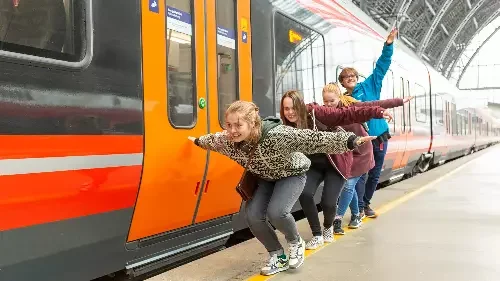
We travel by train in Europe for 10–12 days, and we plan our destination together. It's all about choosing between so many exciting options!
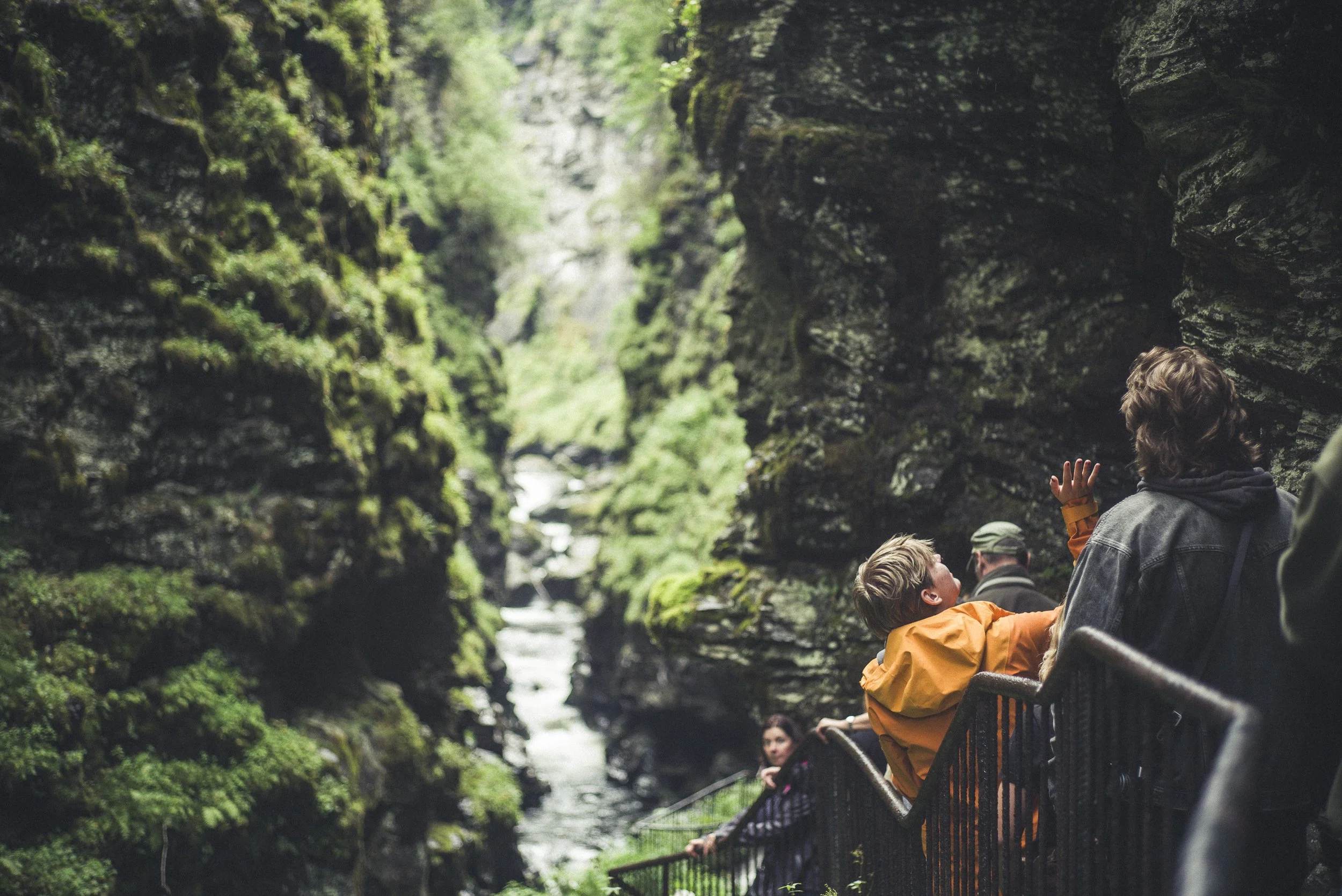
We also go on a trip to Nærøyfjorden, Flåm, Aurland and Voss. Both trips are mandatory and included in the line price. -
Good hiking shoes, a large hiking backpack, a daypack and a sleeping bag for 3 seasons or winter. It doesn't have to be new, and the school and BUA Hjellestad lends out a lot of equipment for free.
Price
Study Trip
Join Interrail in Europe