
– Norwegian language – culture – nature – community – belonging
– Norwegian language – culture – nature – community – belonging
Norwegian Language and Culture
Learn Norwegian by living it.
Spend a year learning Norwegian while experiencing everyday life, culture and nature in Norway.
At Fana Folk High School, you learn Norwegian in the classroom – and use it in real life. Through conversations, activities, excursions and everyday life at school, you build your language skills while getting to know Norwegian culture, society and traditions.
The course is suitable for beginners as well as students who already know some Norwegian. With Bergen as your base, you have the city, mountains, coast and fjords close by – and plenty of opportunities to experience Norway beyond the classroom.
Learn beyond the classroom
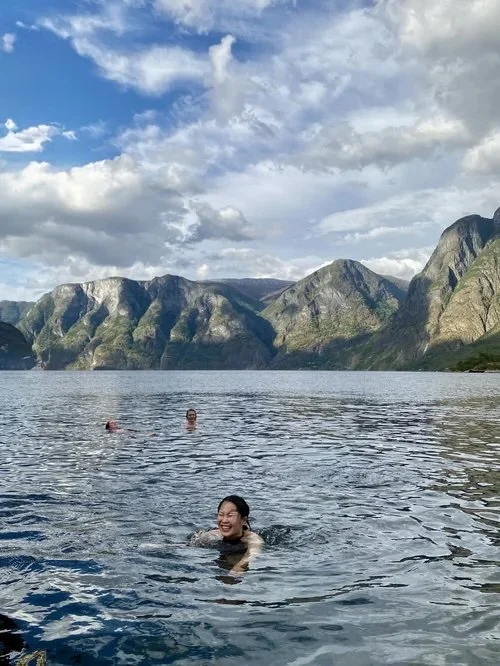
Learning Norwegian is also about getting to know the country, the people and everyday life here. Through trips and activities, you will explore Bergen , the fjords, the coast and the mountains – and learn more about Norwegian culture, history and society along the way.
You might go hiking, canoeing or cross-country skiing, visit museums and cultural sites, and experience what life in Norway is really like together with your classmates.
The year starts with a survey of interests, and we talk about what you want to work on and how. You help plan trips and activities. You also have a conversation with your teacher in both autumn and spring.
Experience Norway,
New friendships,
Experience Norway, New friendships,
Learn Norwegian every day
Most classes are taught in Norwegian, and you will use the language throughout the school day – in class, during activities and in everyday conversations. Everyone also speaks English, so you can always ask for help when you need it.
What you
will do
Get to know Norway through museums, concerts, theatre, local traditions and cultural events. In Bergen , you can explore everything from historic Bryggen and Edvard Grieg's home at Troldhaugen to the city's music and art scene.
Experience Norwegian culture
Learn about Norway today
Explore Norwegian history, society and everyday life, including topics such as politics, sustainability and the relationship between people and nature.
Explore Bergen and the west coast
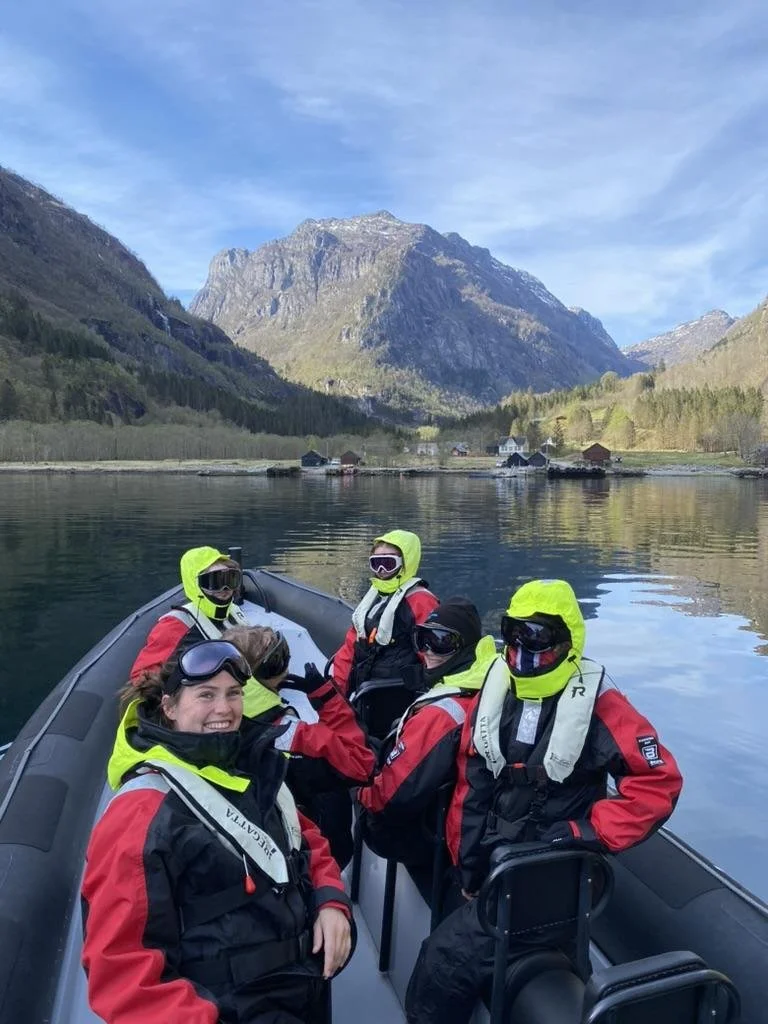
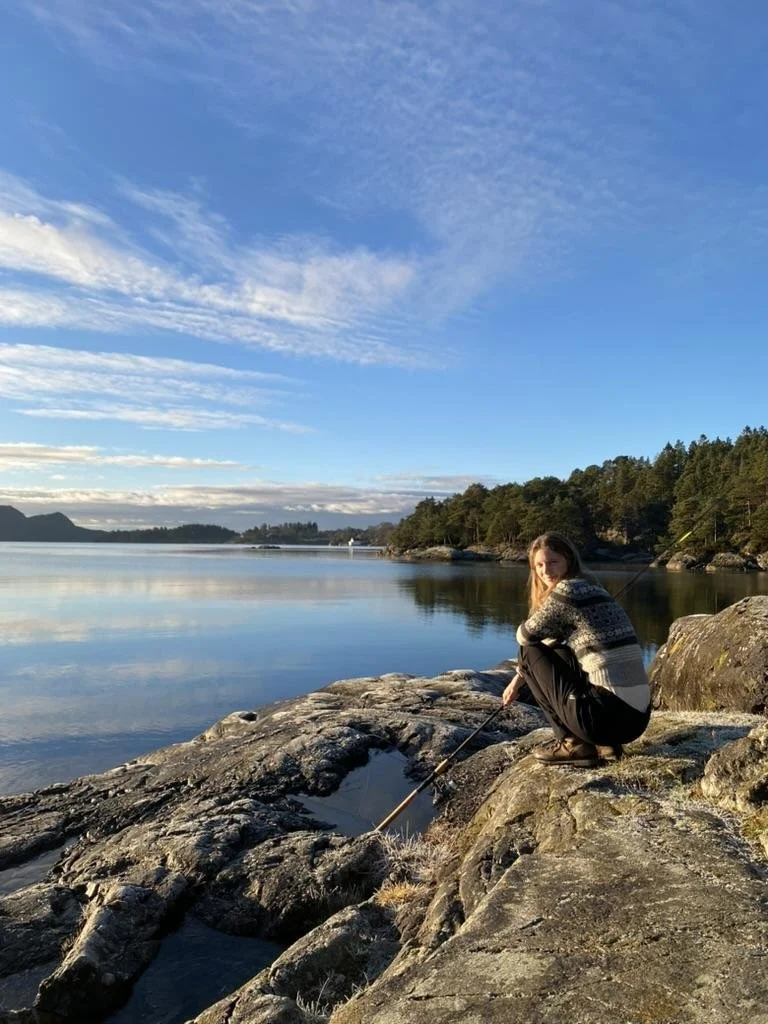
Bergen and the area around it becomes part of the classroom. Go hiking and camping, explore the fjords and coastal landscapes on land and water, climb Ulriken and the other mountains around Bergen , and visit Voss. In winter you get to try cross-country skiing.
From autumn to spring
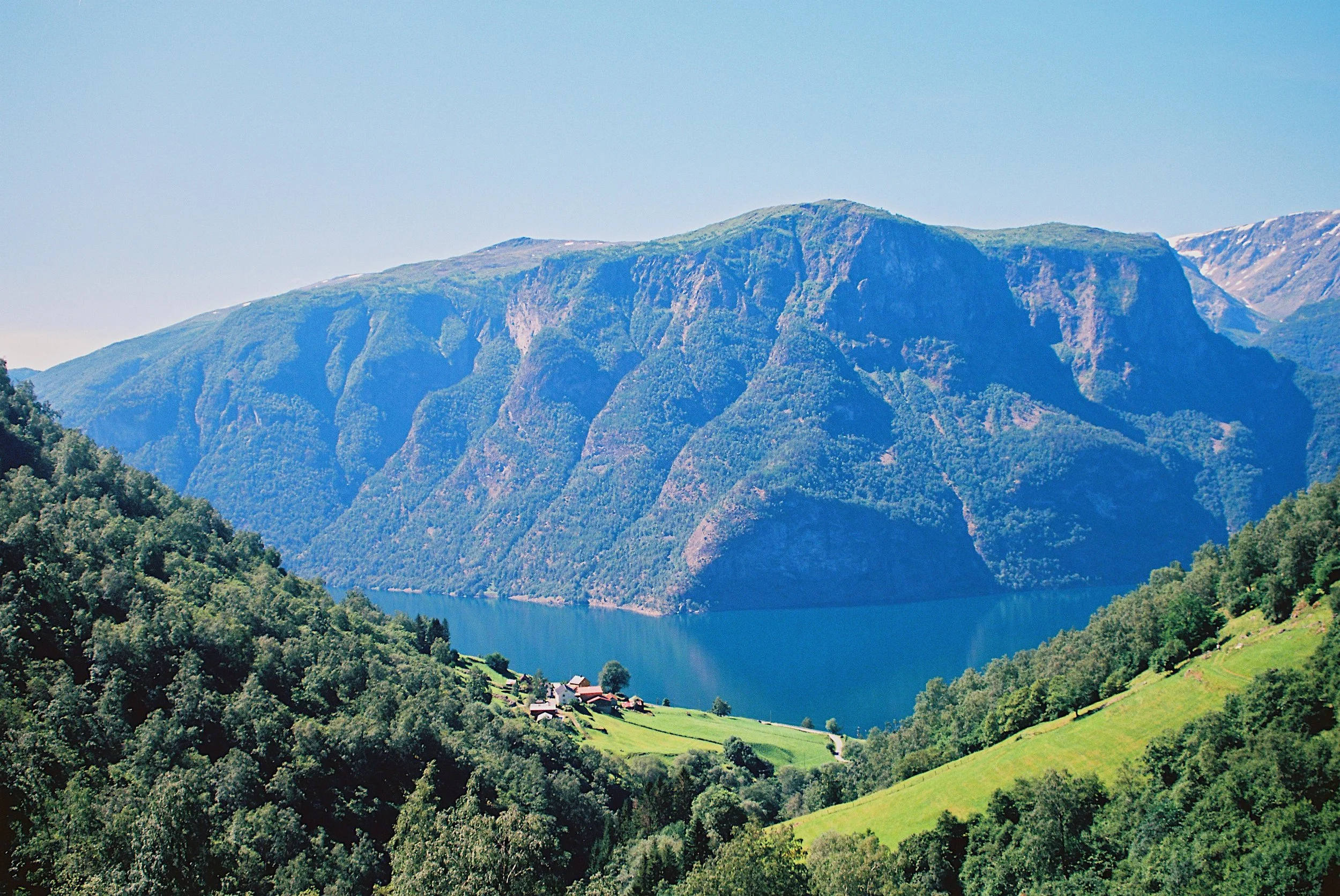
In autumn we work on basic Norwegian, Norwegian cultural history, traditions and everyday life. We stay in a cabin in Aurland, in the fjord landscape of Western Norway, where you use Norwegian at meals, during activities and in conversations, and get to know your class.
In spring we focus more on outdoor life and winter culture, the welfare system, sustainability and nature.
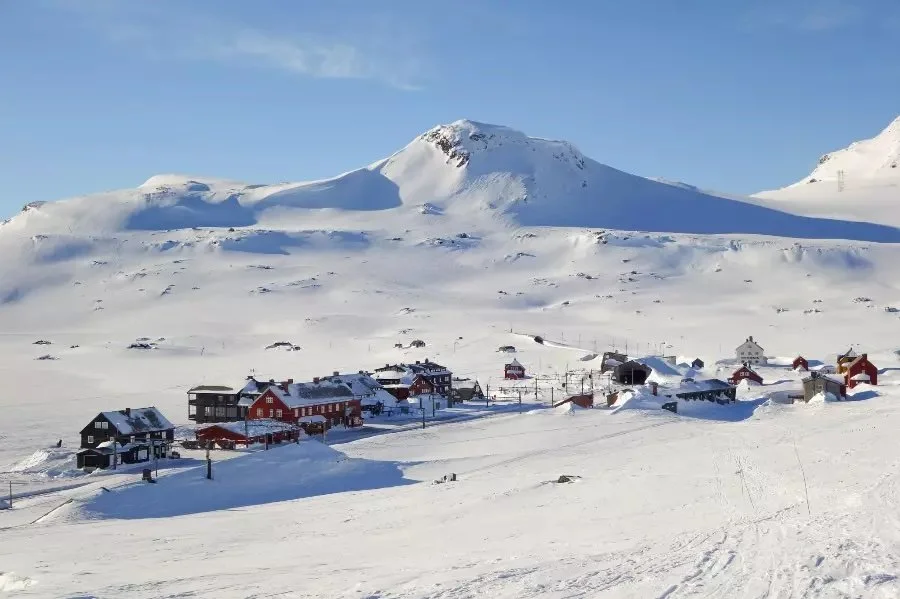
In winter we go to the Norwegian winter mountains, where you try winter activities and challenge yourself in a safe setting.
Before the end of the year we travel to Hardanger.
Who is the course for?
You want to learn Norwegian and experience Norway from the inside. The course is open to everyone who has finished primary and lower secondary school (grunnskole) in their home country, whatever your nationality, mother tongue or Norwegian level.
What we expect from you
You take part in classes, trips and the school community
You are open to new people and cultures
You use Norwegian outside the classroom too
You take responsibility for your own learning
You don't need to speak Norwegian from day one, but you must be willing to try
The course does not qualify you for anything specific, and it is not preparation for the Norwegian test. You can take the test on your own if you want. The year gives you a good foundation if you want to live and work in Norway, apply for studies or continue learning Norwegian at a higher level.
Questions You May Have
〰️
Questions You May Have 〰️
-
A Norwegian folk high school is a residential school for young adults, usually attended after upper secondary school. There are no exams or grades. Instead, the focus is on learning through participation, practical experiences, community and personal development.
At Fana, you live at the school with your fellow students, eat meals together and take part in classes, activities, electives and trips. A full school year lasts about nine months, from August to May.
-
A week consists of a mix of main subject time, electives, and common classes. Every morning starts with a morning assembly, where the whole school gathers.
Main subject time includes Norwegian lessons using different methods, as well as excursions in Bergen and the surrounding area.
Most Saturdays we have seminars, where staff members and guest speakers give lectures on various topics.
Sunday is your day off.
Food and Meals
Our skilled kitchen staff are responsible for preparing all meals served at the school. We follow a traditional Norwegian diet. In Norway, it is common to eat bread with various toppings for breakfast, lunch and the evening meal. Our chefs therefore bake bread on-site, ensuring that we always serve fresh, homemade bread.
Lunch may also include soup made from high-quality ingredients, or traditional Norwegian rice porridge ( risengrynsgrøt ). On two days each week, students prepare their own packed lunch during breakfast. Dinner is usually a hot meal.
Meals are normally served at the same times each weekday:
Breakfast: 08:30
Lunch: 12:00
Dinner: 15:30
Dinner: 19:45
In addition, we have a student kitchen where you are welcome to prepare your own food if you wish. The kitchen is equipped with a refrigerator and freezer, allowing you to store some personal food items in addition to the regular meals provided.
Holidays
The school is closed during holidays. We do not have supervision (no one at work), and therefore overnight stays at the school are not allowed.On departure days before the holidays, there are classes until 12:00 PM. The last meal served is lunch.
After the holidays, the school always has an arrival day on the day before the first day of school. The first meal served is supper.
If you want to stay in Bergen , we recommend you to stay at Montana Hostel;
"Get ready for experiencing a super welcoming atmosphere while staying surrounded by nature and one of the most beautiful landscapes in Bergen . Whether you want to hike and explore the mountains with our volunteers, simply spend a quiet evening by the fireplace in the TV lounge, or kick it with a game of table tennis and table football in our common room: We have what you need!»
-
Yes. The course is open to everyone who has finished primary and lower secondary school in their home country, whatever your nationality, mother tongue or Norwegian level.
You don't need to speak Norwegian from day one, but you must be willing to try. Most teaching is in Norwegian.
-
You can expect to make significant progress, but how much Norwegian you learn will depend on your starting level, participation and how much you use the language in everyday life.
The course includes around 150 hours of Norwegian language instruction, covering basic grammar, vocabulary and everyday communication. You will also hear and use Norwegian throughout the school day. Our goal is that you will be able to speak and understand Norwegian reasonably well after a year, depending on your own effort.
-
Most teaching at Fana is in Norwegian. English can be used for explanations and translation when needed, so you don't have to understand everything from the beginning.
Being surrounded by Norwegian throughout the school day is an important part of how you learn the language.
-
Yes. Folk high school is commonly taken as a gap year after upper secondary school. Most high school students are between 18 and 25 years old, and many attend before starting university, work or another form of education.
The year combines learning with independence, new friendships, activities and living away from home.
-
In autumn we stay in a cabin in Aurland in the fjord landscape of Western Norway. In winter we go to stay in the mountains, where you try winter activities such as cross-country skiing. In spring we travel to Hardanger. We also go on trips in and around Bergen : to Voss, camping and hiking, exploring the fjords and coast, climbing Ulriken, and visiting museums, Troldhaugen, concerts and theatre. All study trips are mandatory and included in the price.
-
It depends on your citizenship.
If you are from outside the EU/EEA and will attend folk high school in Norway for more than three months, you will normally need to apply for a Norwegian study permit. You must first have been admitted to the school and meet UDI's financial and other requirements.
EU/EEA citizens staying for more than three months normally need to register in Norway. For people high school students, UDI states that this registration is based on having sufficient funds. Nordic citizens do not need to register under the EU/EEA scheme, but must report their move if they are moving to Norway.
Always check the current requirements for your citizenship directly with UDI before applying.
-
Yes. Applicants to this course have an interview in addition to sending in the application. In the interview we want to get to know you, make sure you understand what a year at a folk high school means, hear about your motivation for applying, and get an impression of your Norwegian or English skills.
-
No. The course is not preparation for the test, but you can take it on your own if you want.
-
You must normally be 18 or older when the school year starts. If you are younger, you can ask for an individual assessment. You must have finished primary and lower secondary school in your home country, be able to understand and make yourself understood in Norwegian, another Nordic language or English, and be ready to take an active part in classes and the school community. You also have an interview as part of the application.
-
Teaching, food, a room at the school (double room), books for the language course, internet, a washing machine, and all study trips with travel insurance. You also need money for some electives and for pocket money.
Price
Any questions?
Send an email!
Your teacher

Study Trips
Study trips are an important part of the Norwegian Language and Culture course. They give you the opportunity to experience different parts of Norway, learn more about Norwegian culture and traditions, and spend time outdoors in some of the country's most characteristic landscapes.
The trips are also a social part of the school year, where you share experiences with your classmates and get to know Norway beyond Bergen and the classroom.


